Guides · 6 min ·
How to plan a sensory room in Dubai: space, zones, equipment and budget factors
The short answer
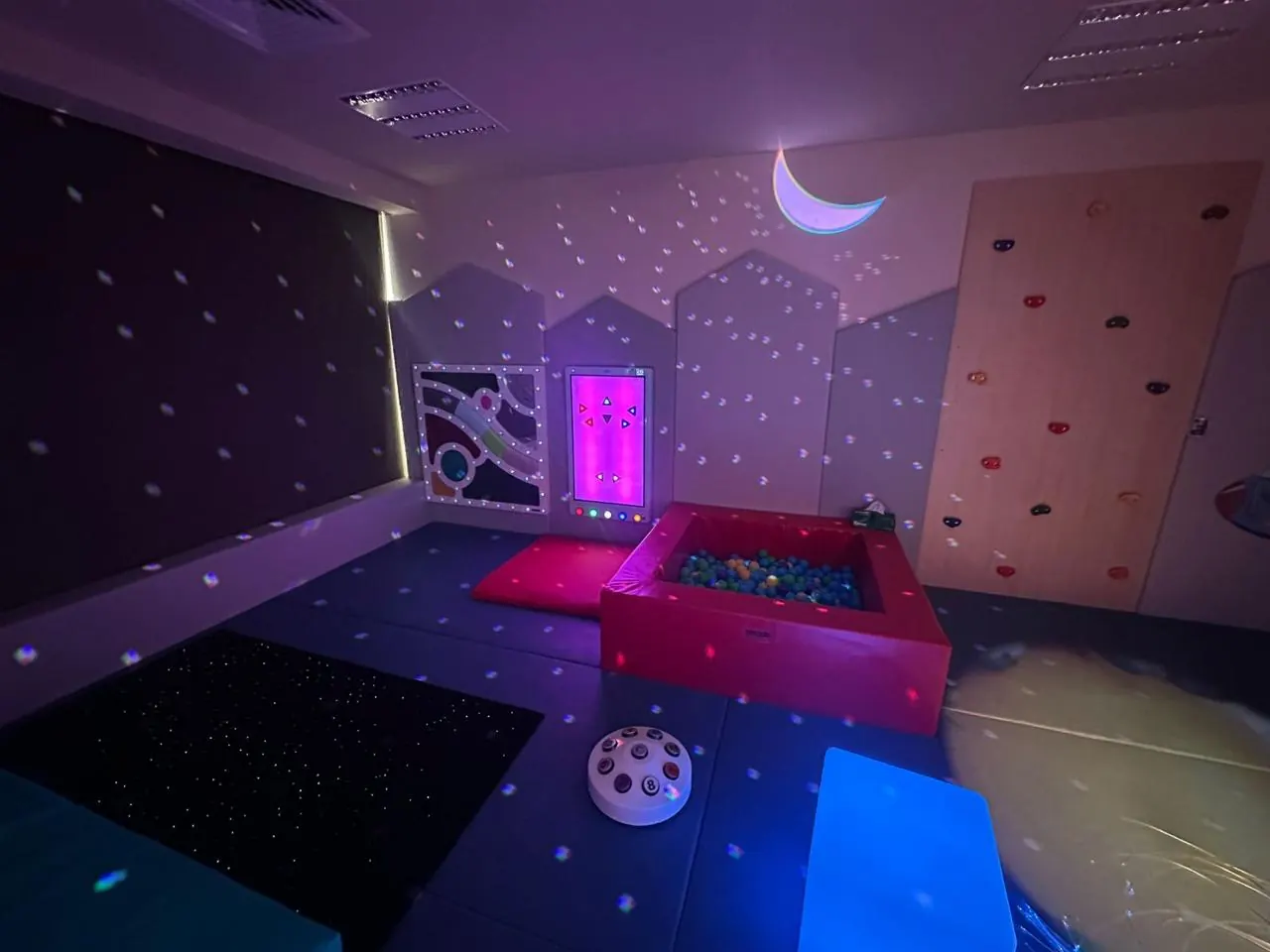
To plan a sensory room, define who will use it and why (calming, stimulation, play or assessment), choose a room of roughly 9–40 m² that can be darkened, split it into a calm zone and an active zone, then select equipment for each sense — a bubble tube and fibre optics for vision, padded seating and water beds for touch and vibration, interactive panels for cause-and-effect — and plan electrics, ventilation, safety and staff training before installation.
1. Start with the users, not the catalogue
A sensory room for teenagers with profound and multiple learning disabilities looks very different from a calm-down room for primary pupils, or an airport space for travellers with autism. Write down the age range, mobility, sensory profiles (seeking or avoiding) and the goals your therapists or teachers want to reach.
2. Choose and prepare the space
Most UAE schools and centres use 12–30 m². Choose a room you can black out completely, with enough sockets (or a dedicated circuit) for lighting and interactive equipment, good air-conditioning airflow and no hard edges at child height. If you only have a corridor corner or an open-plan area, a self-contained sensory pod gives the same calm environment in about 2.4 × 1.2 m.
3. Plan two zones
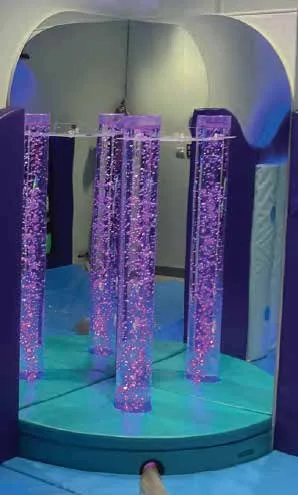
A calm zone — soft seating or a water bed, a bubble tube with mirrors, fibre optics and slow projected effects — supports regulation and relaxation. An active zone — interactive wall panels, soft play, a ball pool or a suspended swing — supports movement, cause and effect and play. Keep the two visually separate so a user can retreat.
4. Core equipment by sense
A balanced first room usually includes:
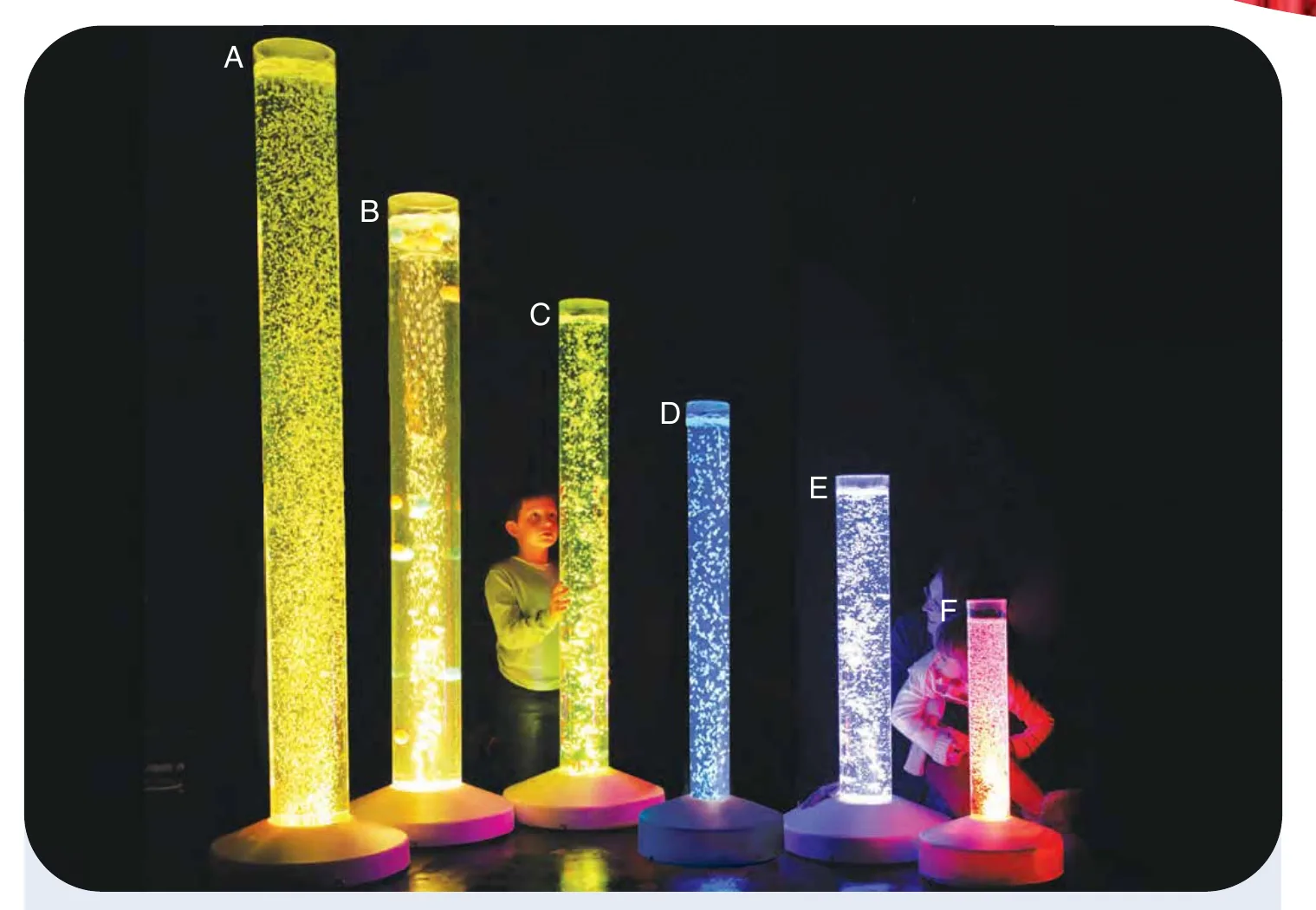
- Vision: bubble tube with acrylic mirrors, fibre-optic strands, an LED projector
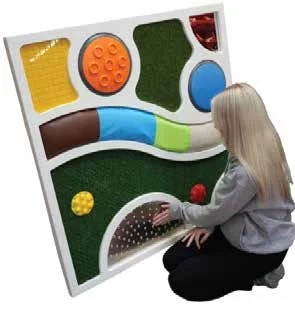
- Touch and vibration: padded base, tactile panel, vibrating cushion or water bed
- Sound: interactive panels with sound-to-light, a music system
- Movement: a suspended swing or rocker where the structure allows
- Control: a wireless switch or controller so users choose what happens
5. What drives the budget
Cost depends mainly on room size, the share of interactive (powered) equipment versus passive items, padded walls and flooring, structural work for swings, and whether you need a sensory pod. We prepare tiered options — essential, enhanced and complete — so you can phase the room over more than one budget year.
6. Safety, installation and training
Use acrylic rather than glass mirrors, fix tall items to walls, supervise fibre optics, and check the ceiling load before hanging swings. Installation by the supplier keeps manufacturer warranties valid, and a short training session for staff makes the biggest difference to how often the room is used well.
FAQ
What is the difference between a sensory room and a Snoezelen® room?
Snoezelen® is a registered trademark of Rompa for its multi-sensory environment concept. “Sensory room” is the general term; a Snoezelen® room is a sensory room built on that concept with Rompa equipment.